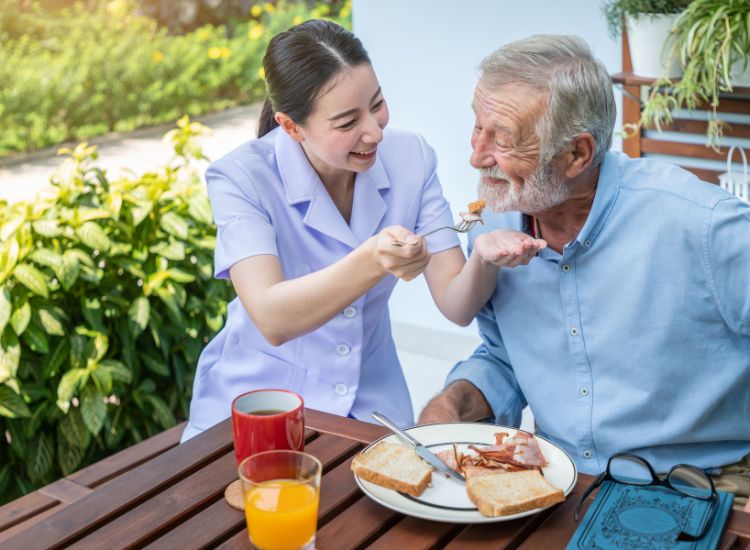

Divinus Care often hears a simple but powerful question from business owners: how do we help seniors stay healthy without turning daily life into a medical routine? Whether you manage elder care services or have aging family members, everyday health care is about small, consistent actions that quietly protect long-term wellness.
For many families and care providers, Health Care For Senior Citizens is no longer limited to hospital visits. It has become a daily partnership between professionals, seniors, and caregivers—built on routine, observation, and respect for independence.
Why “Everyday Care” Matters More Than Big Treatments
According to the, most older adults live with at least one chronic condition such as diabetes or heart disease. That doesn’t mean constant emergencies—it means daily choices matter more than occasional interventions. A missed meal, skipped medicine, or lack of movement can quietly snowball into bigger problems.
From a business perspective, this shift has created demand for home healthcare services, senior wellness programs, and preventive care models. Clients today are not just buying treatment; they are buying stability.
Core Pillars of Everyday Senior Health
1. Nutrition That Fits Real Life
Forget rigid diet charts. Seniors need food that is nutritious and realistic. Taste changes, digestion slows, and appetite can drop. The goal is balance, not perfection.
- Focus on protein-rich breakfasts to support muscle strength.
- Encourage hydration with soups, fruits, and herbal teas.
- Limit ultra-processed foods that add calories without nutrients.
The emphasizes simple meals with vegetables, lean protein, and whole grains as the safest long-term approach.
2. Movement Without Intimidation
Exercise doesn’t have to mean gym memberships. A ten-minute walk after lunch or chair yoga can do wonders for circulation and mood. Many seniors fear falling, so confidence-building routines are essential.
- Start with balance-focused movements.
- Encourage consistency over intensity.
- Celebrate effort, not distance or speed.
From a service standpoint, this is where trained caregivers or visiting physiotherapists add value by turning fear into habit.
Medication: The Quiet Risk Zone
Multiple prescriptions can turn into a puzzle. The World Health Organization reports that medication errors are among the top causes of avoidable harm globally (WHO). In everyday life, this means:
- Clear labeling and pill organizers.
- Routine reminders, not last-minute checks.
- Watching for side effects that look like “normal aging.”
This is also where professional support makes a measurable difference. Many families rely on Elderly Support Services Kolkata to reduce these silent risks through structured monitoring.
Mental Health Is Not Optional
Loneliness ages faster than wrinkles. Seniors who feel isolated are more likely to develop depression and cognitive decline, according to studies summarized. Everyday care must include emotional check-ins:
- Daily conversations, even if brief.
- Light hobbies like gardening or puzzles.
- Digital literacy to stay connected with family.
For business owners in elder care, emotional wellness is becoming a service differentiator, not a soft extra.
Preventive Care: The Business Case
From a B2B and B2C angle, preventive senior care is smart economics. Fewer hospitalizations mean lower costs, stronger trust, and longer client relationships. Blood pressure tracking, vision checks, and fall-risk assessments sound simple—but they reduce crisis calls.
Think of everyday senior care like maintaining a car. You don’t wait for the engine to fail before changing the oil.
Building a Daily Care System That Works
The most effective senior care routines are boring in the best way. They rely on repetition, not heroics. A typical structure might look like:
- Morning: medication, hydration, light movement.
- Afternoon: nutritious meals, social time.
- Evening: safety checks, emotional engagement.
This rhythm supports both independence and safety, which is exactly what modern families and care providers want.
FAQs
What is the most important daily habit for senior health?
Consistency. Small daily routines around food, movement, and medication prevent larger health complications.
How often should seniors have health checkups?
Basic screenings every 3–6 months are ideal, depending on existing conditions and doctor recommendations.
Is home care better than hospital-based care?
For daily health management, home care offers comfort, lower stress, and better compliance with routines.
How can businesses support senior wellness?
By offering preventive services, caregiver training, and emotional support programs alongside medical care.
Final Thoughts
Everyday health care for seniors is not about dramatic interventions. It is about quiet discipline, human connection, and professional structure. For business owners, this means building services that protect dignity as much as health. For families, it means realizing that the smallest habits are often the strongest medicine.