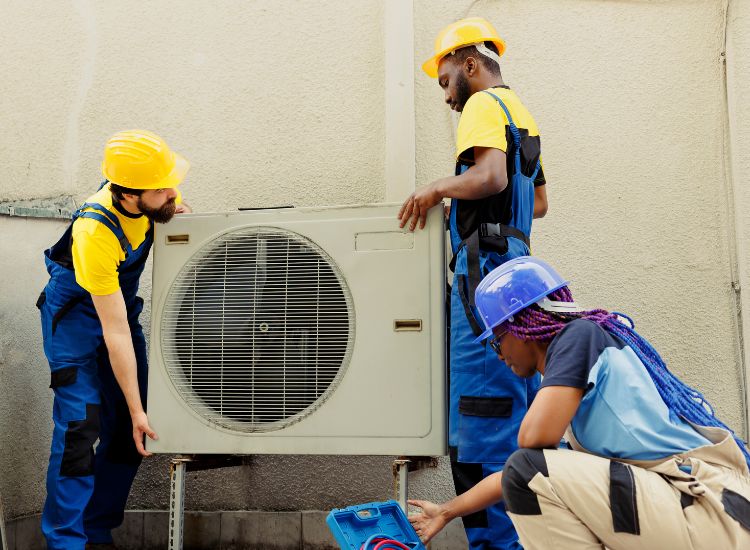

Running a business means dealing with long summers, packed offices, and heat-sensitive equipment. So how do you choose the right supplier for your cooling needs? The answer lies not just in brand names, but in the qualities behind the service. Let’s explore what really defines the best commercial AC supplier for today’s business owners.
When business owners search for the Best Commercial AC Supplier In Bangalore, they are usually looking for more than machines. They want dependability, technical confidence, and a partner who understands that downtime costs money, reputation, and sometimes customers.
1. HVAC Engineer Expertise Comes First
A top supplier always puts its HVAC engineers at the front of operations. This matters more than flashy showrooms. Experienced engineers can evaluate airflow, building layout, and heat load before suggesting a system. A retail outlet needs a different setup than a hospital or a data center, and guesswork simply doesn’t work here.
- Engineers who conduct proper site assessments
- Clear explanations instead of jargon-heavy proposals
- Designs tailored to energy usage and room occupancy
According to the U.S. Department of Energy, properly sized and installed systems can reduce energy use by up to 20%. Source: (energy.gov)
2. Transparent Pricing and Honest Recommendations
The best suppliers don’t oversell. They recommend what fits your business scale and budget. Transparent pricing builds trust, especially for B2B clients managing multiple locations. Hidden costs show up later as resentment, and smart suppliers know that long-term relationships matter more than short-term invoices.
A good sign? When a supplier tells you that a smaller system might work just as well as a larger one. That’s honesty in action.
3. Strong Product Portfolio with Energy-Efficient Options
Commercial AC is no longer about just cooling. It’s about sustainability, power consumption, and noise control. Reliable suppliers stock a mix of inverter ACs, VRF systems, and ducted solutions suitable for offices, malls, factories, and hotels.
- Access to reputed commercial AC brands
- Models with high energy-efficiency ratings
- Options for future expansion
This matters because energy bills are often the second-highest operational cost after rent. A smarter AC choice can quietly save lakhs over time.
4. Installation That Feels Almost Invisible
Installation quality separates professionals from traders. The best suppliers ensure minimal disruption to business hours and safe wiring practices. A clean installation often predicts fewer breakdowns later. If pipes look rushed or ducts are misaligned, the system will complain eventually.
Signs of a professional installation team:
- Clear timelines and work plans
- Dust control and safety measures
- Testing and demonstration after setup
5. Dependable After-Sales Support
This is where most suppliers fail and great ones shine. Businesses don’t panic over installation; they panic when cooling stops during peak hours. A responsive Commercial AC Service Provider offers maintenance contracts, emergency visits, and spare parts without drama.
Organizations like ASHRAE highlight that regular maintenance can extend system life by several years.
6. Industry-Specific Experience
Suppliers who serve hospitals understand hygiene requirements. Those who work with IT parks know the importance of uninterrupted cooling. Industry experience prevents costly trial-and-error mistakes.
This is especially valuable for B2B owners managing factories, warehouses, and hospitality businesses where cooling failure can halt operations.
7. Commitment to Long-Term Partnerships
The best suppliers think beyond one invoice. They track system performance, suggest upgrades, and inform clients about new efficiency standards. This consultative approach feels less like sales and more like collaboration.
FAQs
What should businesses prioritize when choosing a commercial AC supplier?
They should focus on engineering expertise, after-sales service, and energy-efficient options rather than only price.
Are energy-efficient commercial AC systems worth the cost?
Yes. They reduce long-term electricity expenses and improve system lifespan, making them cost-effective over time.
How often should commercial AC systems be serviced?
Ideally, systems should be checked every three to six months, depending on usage and environmental conditions.
Is brand more important than installation quality?
No. Even premium brands perform poorly if installation is rushed or improperly designed.
Final Thoughts
A commercial AC supplier should feel like a technical partner, not a product vendor. The right choice blends engineering skill, service reliability, and honest advice. For business owners in Bangalore, this combination keeps workplaces comfortable, costs controlled, and operations uninterrupted.