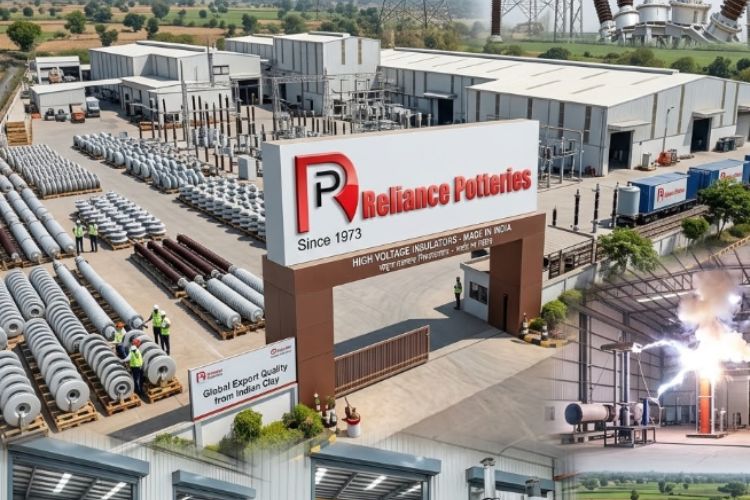

Power infrastructure may look like a network of steel towers and cables, but behind the scenes, small components often carry the biggest responsibility. Electrical insulators are a perfect example. These humble components keep electricity safely flowing where it should. For service providers working on power transmission or substation installations, choosing the right supplier is not just important—it’s critical for safety, performance, and long-term reliability.
India has become a global manufacturing hub for high-quality electrical components, and many Electrical Insulator Manufacturers in India now supply products for domestic and international power projects. With increasing demand for reliable energy infrastructure, service providers are looking for manufacturers that combine engineering precision with dependable delivery and technical support.
Also Read: Pollution-Resistant Insulators for Urban and Industrial Zones
Why Quality Insulators Matter in Power Infrastructure
In power transmission systems, insulators prevent electricity from escaping from conductors to towers or supporting structures. When these components fail, the consequences can range from power outages to severe equipment damage. That’s why engineers and service contractors prioritize durable materials such as porcelain, glass, and advanced polymer composites.
According to the International Energy Agency, global electricity demand is expected to grow steadily over the coming decade, driven by industrial development and electrification initiatives. This growth directly increases the need for dependable transmission hardware—including high-performance insulators.
Core Functions of Electrical Insulators
- Electrical isolation: Prevents current leakage from conductors to towers.
- Mechanical support: Helps hold transmission lines securely in place.
- Environmental resistance: Protects against moisture, dust, pollution, and temperature variations.
Without reliable insulation systems, even the most sophisticated power grid cannot operate safely.
Key Features of Top Insulator Suppliers
Service companies involved in power installation or maintenance projects usually evaluate suppliers on more than just price. In fact, experienced engineers often look at a combination of technical and operational factors.
1. Proven Manufacturing Standards
Leading insulator manufacturers follow strict quality control processes and international standards. This includes high-temperature kiln firing for porcelain components, mechanical strength testing, and electrical performance validation.
2. Broad Product Portfolio
Power projects rarely rely on a single insulator type. Transmission lines, substations, and switchgear all require specialized components. Trusted suppliers typically offer a wide range of solutions such as suspension insulators, pin insulators, and bushings.
3. Engineering Support for Service Providers
Service companies often face complex installation environments. Experienced suppliers provide technical consultation, product documentation, and guidance to ensure correct installation and long-term performance.
Specialized Components for Substation Applications
Beyond transmission towers, substations rely heavily on insulated components to manage high-voltage equipment. In particular, bushings are essential for safely transferring electrical current through grounded barriers such as transformer casings or switchgear housings.
Reliable Porcelain Bushing Suppliers play a crucial role in supplying high-quality components for transformers, circuit breakers, and distribution equipment. Porcelain remains widely preferred because of its excellent dielectric strength and long service life.
Common Applications of Porcelain Bushings
- High-voltage transformer connections
- Power distribution switchgear
- Substation equipment insulation systems
- Industrial power infrastructure
For service contractors managing complex electrical installations, selecting the right bushing supplier ensures both operational efficiency and safety compliance.
How Service Providers Choose the Right Supplier
If you ask experienced project engineers, they’ll tell you the same thing: a dependable supplier can make or break a power project timeline. Reliable delivery schedules and consistent product quality reduce installation delays and unexpected maintenance issues.
Key Evaluation Criteria
- Product reliability: Insulators must withstand electrical stress and harsh environmental conditions.
- Manufacturing expertise: Suppliers with decades of experience typically maintain better quality control.
- Supply chain capability: Timely delivery is essential for large infrastructure projects.
- Industry reputation: Established manufacturers often supply utilities, EPC contractors, and global markets.
India’s electrical component sector has matured significantly over the years, offering competitive solutions for both domestic and international infrastructure development. As power grid modernization accelerates, service providers increasingly rely on trusted manufacturers for dependable insulation technology.
Frequently Asked Questions
What are electrical insulators used for in power projects?
Electrical insulators prevent current leakage from conductors to supporting structures, ensuring safe and efficient transmission of electricity across power lines and substations.
Why is porcelain commonly used in electrical insulators?
Porcelain offers high dielectric strength, excellent mechanical durability, and resistance to environmental stress, making it ideal for high-voltage insulation systems.
How do service providers select reliable insulator suppliers?
They typically evaluate manufacturing standards, product range, engineering support, industry reputation, and the supplier’s ability to meet project timelines.
Where are porcelain bushings commonly used?
Porcelain bushings are widely used in transformers, switchgear systems, and substations to safely guide electrical conductors through grounded barriers.
Also Read: Porcelain Bushing Manufacturers for Substations
Final Thoughts
Power infrastructure depends on precision engineering at every level, and insulators are among the most critical components in the system. By partnering with experienced suppliers, service providers can ensure long-lasting performance, improved safety, and smoother project execution across transmission and substation networks.
Blog Development Credits
This article was envisioned by Reliance Potteries. Research and drafting involved modern AI tools including ChatGPT, Google Gemini, and Copilot, followed by detailed SEO refinement from Reliance Potteries.