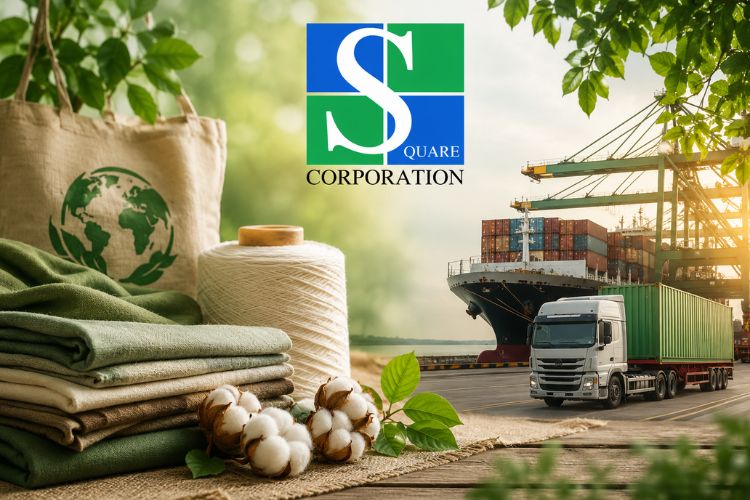

Consumers no longer judge textiles by appearance alone. They also want to know how fabrics are made, where raw materials come from, and whether production respects people and the planet. As sustainability becomes a deciding factor in international trade, Indian exporters are stepping up with innovative practices that blend tradition, technology, and responsible manufacturing.
Among the businesses driving this transformation are Sustainable Textile Exporters in India, offering eco-conscious solutions that meet evolving global standards. From recycled fibers to certified organic cotton, India’s textile sector is proving that environmental responsibility and commercial success can comfortably exist side by side.
Also Read: What Are Different Types of Cotton Available in the Market
Why Sustainability Matters More Than Ever
Textile buyers across Europe, North America, and emerging markets increasingly expect environmentally responsible sourcing. According to the World Bank, the fashion and textile industry has a significant environmental footprint, encouraging manufacturers worldwide to adopt cleaner production methods. Likewise, organizations such as Textile Exchange continue to promote responsible fiber production through globally recognized certification programs.
This shift is creating exciting opportunities for Indian exporters that invest in renewable energy, water conservation, ethical sourcing, and transparent supply chains.
What Makes India’s Sustainable Textile Exporters Stand Out?
1. Responsible Material Selection
Modern exporters increasingly source organic cotton, recycled polyester, bamboo fibers, linen, and regenerated cellulose fabrics. These alternatives reduce environmental impact while maintaining high-quality performance expected by international buyers.
2. Strong Manufacturing Expertise
India combines generations of textile craftsmanship with advanced manufacturing technologies. Automated quality control, efficient dyeing systems, and waste reduction initiatives help improve consistency without sacrificing sustainability.
3. Global Compliance Standards
Leading exporters maintain internationally accepted certifications and quality management systems, giving overseas buyers greater confidence throughout procurement.
Key Qualities to Look for in a Sustainable Textile Exporter
- Transparent sourcing: Clear information about fiber origin and production practices.
- Environmental certifications: Compliance with internationally recognized sustainability standards.
- Reliable export capability: Consistent delivery schedules and documentation.
- Product customization: Flexible manufacturing for different industries and fabric requirements.
- Long-term partnerships: Strong communication and dependable customer support.
Experienced sourcing professionals often say that reliability matters just as much as competitive pricing. A trustworthy supplier consistently delivers quality while adapting to changing buyer expectations.
Innovation Is Driving the Next Generation of Textile Exports
Indian manufacturers are embracing digital production monitoring, renewable energy integration, low-impact dyeing processes, and circular economy initiatives. These improvements reduce waste while increasing operational efficiency.
Many international buyers now prefer working with Organic Fabric Suppliers in India because they can source multiple sustainable fabric options from a single trusted partner. This simplifies procurement while supporting responsible purchasing goals.
Additional growth areas such as eco-friendly fabric manufacturers, organic cotton exporters, and recycled textile suppliers continue strengthening India’s position in global textile markets.
Benefits for International Buyers
- Lower environmental impact across the supply chain.
- Greater confidence through transparent sourcing practices.
- Access to diverse sustainable fabric collections.
- Improved compliance with international environmental regulations.
- Long-term supplier relationships that support business growth.
Many experienced sourcing teams find that investing in sustainable suppliers often reduces operational risks over time while strengthening brand reputation among environmentally conscious consumers.
Future Outlook for 2026
Looking ahead, India’s textile export industry appears well-positioned for continued expansion. Growing investments in renewable energy, water-efficient manufacturing, recycled materials, and traceable supply chains are helping exporters remain competitive in international markets.
Rather than viewing sustainability as an added expense, successful exporters increasingly treat it as a long-term business strategy. That mindset is likely to shape the next chapter of India’s global textile leadership.
Frequently Asked Questions
What makes a textile exporter sustainable?
A sustainable exporter uses environmentally responsible materials, reduces waste, conserves resources, follows ethical manufacturing practices, and maintains transparency throughout the supply chain.
Why are Indian textile exporters becoming globally popular?
India offers a combination of skilled manufacturing, diverse natural fibers, competitive pricing, international certifications, and increasing investments in sustainable production technologies.
Which fabrics are considered environmentally friendly?
Organic cotton, recycled polyester, bamboo fabric, linen, hemp, and responsibly produced regenerated fibers are among the most widely recognized sustainable textile options.
How can buyers verify sustainability claims?
Buyers should request internationally recognized certifications, audit reports, traceability documentation, and supplier compliance records before placing large export orders.
Also Read: Organic Yarn Supplier for Global Exporters
Final Thoughts
Sustainability has become a defining advantage rather than simply a market trend. Businesses that choose responsible Indian textile exporters gain access to dependable manufacturing, innovative materials, and partners committed to long-term environmental responsibility. As global demand continues evolving in 2026, India’s sustainable textile industry is well prepared to lead with quality, transparency, and innovation.
Blog Development Credits:
This article was thoughtfully planned by Square Corporation, developed through extensive research supported by advanced AI technologies, then carefully refined, edited, and SEO-optimized by the experienced team at Square Corporation for originality and readability.