
Many homeowners only start thinking about their roof when something goes wrong—a leak after heavy rain, cracked tiles, or a faded surface that makes the house look older than it really is. But before jumping into repairs, most people ask the same question: how much will it actually cost? Understanding the real expenses behind roof restoration can help you make smarter decisions and avoid unexpected surprises.
If you’ve been researching the Tile Roof Restoration Cost, you’ll quickly notice that prices can vary widely. The reason is simple—no two roofs are exactly the same. Factors such as roof size, tile condition, accessibility, and the extent of damage all influence the final price. In this guide, we’ll break down the key components that affect restoration costs so you can understand exactly where your money goes.
Why Roof Restoration Is Often More Cost-Effective
A full roof replacement might seem like the obvious solution when a roof starts deteriorating, but restoration can often deliver the same protection at a significantly lower price. Restoration focuses on repairing existing materials, cleaning the surface, sealing gaps, and applying protective coatings to extend the roof’s lifespan.
According to the U.S. Department of Energy, maintaining and restoring roofing materials can significantly extend their durability while improving energy efficiency. In practical terms, this means homeowners can enjoy a refreshed roof without the high expense of completely replacing it.
Also Read: Is Your Rooftop A Couple of Decades Old? Be Careful!
Main Factors That Influence Restoration Costs
1. Roof Size and Complexity
The larger your roof, the more materials and labour will be required. Roofing contractors typically calculate costs based on square meters of roofing area. However, complexity also matters. Roofs with multiple slopes, chimneys, skylights, or ventilation systems take longer to restore and require additional safety measures.
- Larger roofs require more coating materials and labour hours.
- Complex roof shapes increase installation time.
- Steeper roofs may need specialised safety equipment.
Even a medium-sized home can see price differences depending on how accessible the roof is for workers and equipment.
2. Condition of the Existing Tiles
Tile roofs are known for durability, but they aren’t immune to damage. Years of exposure to sunlight, wind, and debris can cause tiles to crack, shift, or accumulate moss and dirt. Before restoration begins, professionals usually perform a thorough inspection to identify which tiles need repair or replacement.
Typical issues that can influence restoration cost include:
- Broken or missing roof tiles
- Loose ridge caps
- Moss or algae growth
- Minor structural wear
The more damage identified during inspection, the more repairs will be required before the restoration process begins.
3. Cleaning and Preparation Work
One step many homeowners underestimate is cleaning. Professional restoration begins with high-pressure washing to remove dirt, debris, and organic buildup. This step is essential because protective coatings adhere properly only to clean surfaces.
Preparation may also include minor Roof Repairs Adelaide homeowners often overlook—such as resealing flashing, fixing ridge caps, or replacing damaged tiles. These repairs ensure the restoration lasts longer and prevents water from entering the roof structure.
The Step-by-Step Restoration Process
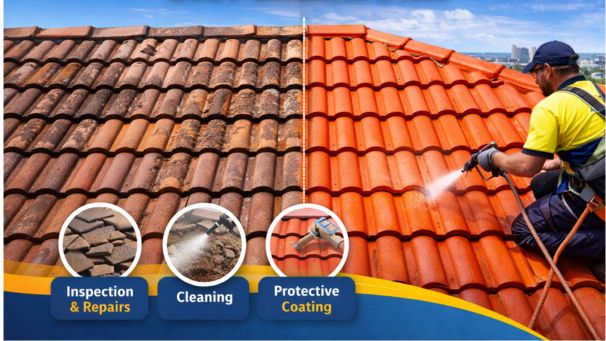
Understanding the stages involved in roof restoration can make the cost breakdown clearer. A typical professional restoration usually includes the following steps:
- Inspection: Contractors examine tiles, flashing, gutters, and ridge caps.
- Cleaning: High-pressure washing removes debris and moss buildup.
- Repairs: Damaged tiles and structural components are fixed.
- Re-bedding and re-pointing: Ridge caps are secured to strengthen the roof.
- Protective coating: A weather-resistant sealant or paint is applied.
Each stage contributes to the final restoration cost, but skipping any of them could shorten the roof’s lifespan. Experienced roofing specialists understand that preparation and attention to detail are what truly protect the structure.
Restoration vs Replacement: Cost Comparison
Sometimes homeowners wonder whether restoration is worth it or if replacing the entire roof might be a better long-term investment. The answer depends largely on the roof’s structural condition. If the framework is still strong and damage is limited to surface issues, restoration is usually the more affordable option.
However, if a roof has severe structural damage, widespread leaks, or aging materials beyond repair, professionals may recommend considering the Roof Replacement Cost Adelaide homeowners might face instead.
Restoration works best when the roof is still structurally sound but needs repairs, cleaning, and protective sealing to extend its life.
Hidden Costs Homeowners Should Know
While most restoration projects are straightforward, a few unexpected factors can influence pricing. Experienced roofing professionals often mention these potential additions:
- Replacement of severely damaged ridge caps
- Additional waterproof membrane installation
- Gutter cleaning or replacement
- Unexpected structural repairs discovered during inspection
These situations don’t occur in every project, but they explain why restoration quotes sometimes vary between homes—even within the same neighbourhood.
FAQ
How long does a tile roof restoration last?
A professionally restored tile roof can last anywhere from 10 to 15 years, depending on environmental conditions and maintenance. Regular inspections can extend its lifespan even further.
Is roof restoration cheaper than replacement?
Yes, restoration is typically much more affordable because it focuses on repairing and strengthening the existing roof rather than installing an entirely new system.
How long does a roof restoration project take?
Most residential tile roof restorations take between two and five days. The timeline depends on roof size, weather conditions, and the amount of repair work required.
Does roof restoration improve energy efficiency?
Yes. Modern protective coatings can reflect sunlight and reduce heat absorption, helping maintain more stable indoor temperatures and lowering cooling costs.
Final Thoughts
A tile roof restoration isn’t just a cosmetic upgrade—it’s a practical investment in your home’s longevity. By understanding the factors behind restoration pricing, homeowners can plan their budget confidently and choose the right solution for their property. With proper repairs, cleaning, and protective coatings, a restored roof can continue protecting your home for many years to come.
Also Read: Is Your Roof Crying for Help?
Blog Development Credits
This blog was a team effort fueled by smart ideas. Local Adelaide Roofers picked the topic. Most content was crafted using tools like ChatGPT and Google Gemini.