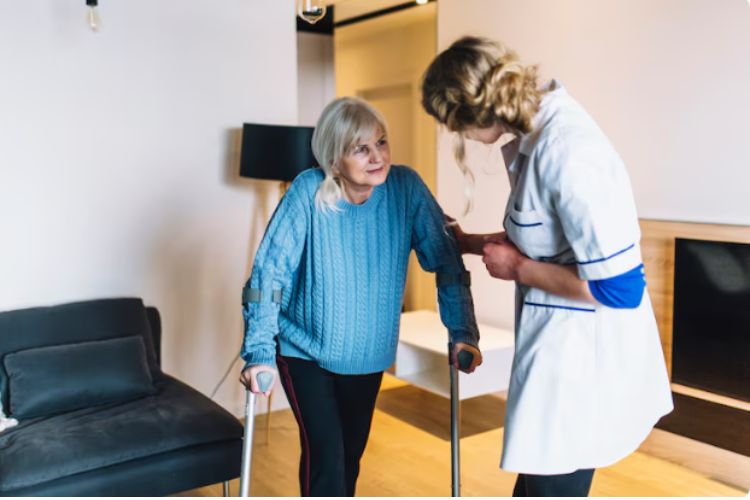

There’s a quiet question many families in Santa Clara eventually face: “Is part-time help enough?” Aging doesn’t follow a predictable script. Some seniors manage beautifully with occasional assistance, while others require constant supervision. Understanding when senior home care assistance Santa Clara shifts from helpful to absolutely necessary can make all the difference in safety, comfort, and peace of mind.
Full-time care isn’t about giving up independence it’s about protecting it. In fact, the right 24/7 elderly care plan often helps seniors remain at home longer, surrounded by familiar memories and routines.
Understanding 24/7 Senior Home Care
Round-the-clock support means a trained caregiver is available day and night. This can involve rotating caregivers or live-in arrangements, depending on family preference and medical needs. Unlike occasional visits, full-time care addresses both visible and subtle risks nighttime wandering, medication errors, or sudden health changes.
According to the Centers for Disease Control and Prevention (CDC.gov), falls are a leading cause of injury among older adults. Many of these incidents occur at home, often during nighttime hours. Continuous monitoring significantly reduces that risk.
Clear Signs Full-Time Care May Be Necessary
It’s rarely one dramatic event that signals the need for 24-hour home care. More often, it’s a pattern. Here are some common indicators families notice:
1. Frequent Medical Emergencies
- Repeated hospitalizations or ER visits
- Chronic conditions like advanced heart disease or COPD
- Complex medication schedules requiring supervision
2. Cognitive Decline or Dementia
- Wandering or getting lost
- Confusion about time, place, or identity
- Unsafe behaviors like leaving the stove on
The Alzheimer’s Association (.org) notes that millions of Americans live with Alzheimer’s or related dementias, and many eventually require continuous supervision for safety.
3. Caregiver Burnout
- Family members feeling physically or emotionally exhausted
- Interrupted sleep for weeks or months
- Strained relationships due to caregiving stress
This last one is often overlooked. When family caregivers are running on empty, mistakes happen. Full-time support protects everyone involved.
Medical Conditions That Often Require 24/7 Monitoring
Some health situations naturally demand constant attention. These include:
- Advanced Parkinson’s disease with mobility instability
- Post-stroke recovery requiring mobility assistance
- Late-stage dementia with behavioral changes
- Severe diabetes needing insulin monitoring
In such cases, professional caregivers trained in personal care services and medication management provide stability that occasional visits simply can’t match.
The Emotional Side of Full-Time Senior Care
There’s something deeply reassuring about knowing someone is present at 2 a.m. if needed. For seniors living alone, nighttime can feel isolating even frightening. Full-time senior home care offers companionship as much as clinical support.
And let’s be honest independence doesn’t disappear with assistance. In many cases, seniors regain confidence because they’re no longer afraid of falling or facing emergencies alone.
Comparing 24/7 Home Care vs. Assisted Living
Families sometimes debate between full-time in-home support and assisted living facilities. While both provide safety, in-home care has distinct advantages:
- Familiar environment: Seniors stay in their own home.
- Personalized routines: Meals, sleep, and hobbies remain flexible.
- One-on-one attention: No shared staffing ratios.
For many Santa Clara families, aging in place feels less disruptive and more dignified especially when supported by skilled caregivers.
How to Decide: A Practical Approach?
If you’re unsure whether 24-hour home care is needed, consider this three-step framework:
- Assess Safety Risks: Are there frequent falls, wandering episodes, or medication mistakes?
- Evaluate Health Stability: Does your loved one require overnight monitoring?
- Measure Family Capacity: Can relatives realistically provide safe care long term?
When two or more of these areas raise concern, full-time senior support becomes less of a luxury and more of a necessity.
FAQs About 24/7 Senior Home Care
1. Is 24/7 care only for seniors with severe illnesses?
No. While serious medical conditions often require continuous care, seniors with moderate dementia or high fall risk may also benefit from full-time support.
2. How does live-in care differ from rotating shifts?
Live-in caregivers stay in the home and sleep overnight, while rotating shifts ensure active coverage every hour. The choice depends on medical complexity and family preference.
3. Can full-time care be temporary?
Yes. Many families arrange 24/7 assistance during post-surgery recovery or after hospital discharge before scaling back to part-time care.
4. Does insurance cover 24-hour home care?
Coverage varies. Some long-term care insurance plans assist with costs, while Medicare typically covers short-term skilled care under specific conditions.
Final Thoughts
Choosing full-time care isn’t about surrendering independence it’s about preserving safety, dignity, and quality of life. When health risks rise and family exhaustion sets in, 24/7 support becomes a compassionate solution. The right care plan allows seniors in Santa Clara to remain where they feel most at home secure, supported, and respected.