
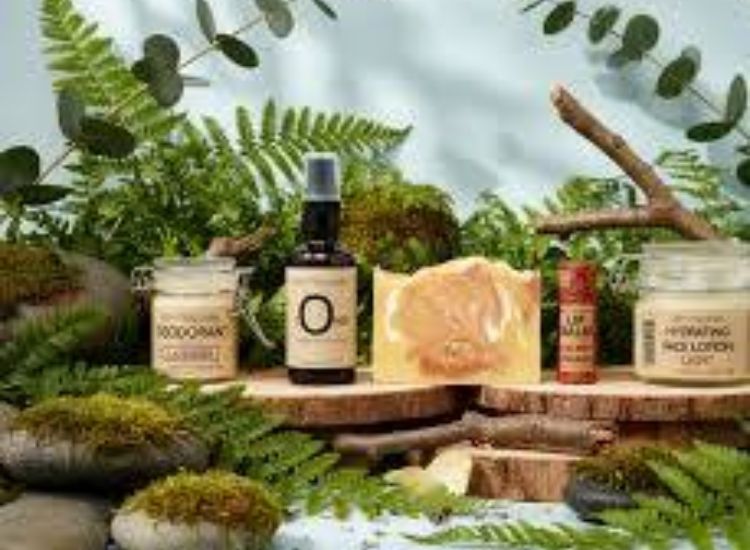

Prakriti Online Store believes the skincare industry is at a crossroads. Consumers and businesses alike are questioning what really belongs on human skin. Is it complex lab-made formulas, or simpler, plant-based blends crafted with care? The answer is becoming clearer every year. The future of skincare is leaning strongly toward mindful, handmade, and ingredient-first solutions.
In fact, Handmade & Natural Beauty Products are no longer a niche trend. They are becoming a business strategy, a lifestyle choice, and for many brands, a competitive advantage.
Changing Consumer Behavior Is Driving the Shift
Customers today read labels the way previous generations read price tags. Words like “paraben-free,” “cold-pressed,” and “plant-based” carry emotional weight. A report from the U.S. Food and Drug Administration highlights that cosmetics are not strictly pre-approved for safety before market entry, which has made consumers more cautious about what they apply daily (fda.gov).
This awareness is reshaping buying habits. For business owners, it means one thing: products must earn trust, not just shelf space.
What’s really influencing buyers?
- Ingredient transparency: People want to recognize what they’re using—coconut oil sounds safer than “ethylhexyl something.”
- Health-conscious lifestyles: Skincare is now part of wellness, not vanity.
- Word-of-mouth culture: A handmade soap story spreads faster than a flashy ad.
Handmade Means More Than “Small Batch”
There’s a quiet power in products that aren’t mass-produced. Handmade skincare often reflects thoughtful sourcing, slower production, and controlled quality. For B2B distributors, this creates a strong positioning angle: limited but premium. For B2C sellers, it creates emotional attachment.
It’s similar to food—people trust home-style cooking more than factory meals. Skincare is heading the same way.
Why handmade products scale differently:
- They adapt quickly to ingredient trends.
- They invite customization (fragrance-free, sensitive-skin formulas).
- They build brand loyalty faster.
The Science Is Quietly Supporting Nature
Natural oils and botanicals aren’t just folklore remedies. Research from the National Institutes of Health shows that plant-based antioxidants can support skin barrier repair and reduce oxidative stress.
At the same time, market data from Grand View Research suggests that the global organic personal care market is expanding rapidly due to health and sustainability concerns.
In simple terms: what once sounded like “grandma’s skincare” now fits modern science.
Soap Is the Gateway Product
Every skincare journey usually starts with cleansing. That’s why natural soaps are becoming flagship products for ethical brands. Cold-pressed soaps preserve glycerin and plant nutrients, making them more skin-friendly than heavily processed bars.
For brands building trust, introducing the Best Natural Soap For Face In India into their lineup often becomes the first step toward customer conversion.
Why soap still matters in skincare strategy:
- It’s a daily-use product.
- It shows immediate results.
- It introduces customers to ingredient awareness.
Sustainability Is Becoming a Sales Argument
Plastic packaging, chemical runoff, and overproduction are now business risks, not just environmental issues. Handmade and natural beauty brands often rely on minimal packaging and biodegradable ingredients, aligning with long-term regulatory and consumer expectations.
For B2B owners, this creates supply chain value. For B2C brands, it builds narrative value. Both lead to differentiation.
FAQ
Are handmade beauty products safe for all skin types?
Most handmade products focus on gentle, recognizable ingredients, making them suitable for sensitive skin. However, patch testing is still recommended for individual allergies.
Do natural products really work as well as chemical ones?
Yes, especially for long-term skin health. Natural ingredients support skin balance rather than forcing short-term results through synthetic compounds.
Why are handmade products usually more expensive?
They involve slower production, higher-quality raw materials, and lower chemical processing, which increases cost but also boosts effectiveness.
Can businesses scale handmade skincare successfully?
Yes. With standardized formulas and ethical sourcing, handmade skincare brands can grow without losing product integrity.
Final Thoughts
The skincare industry is shifting from chemical-heavy routines to conscious care. For business owners, this isn’t just a trend—it’s a direction. Handmade and natural products combine consumer trust, scientific relevance, and sustainability into one compelling future path.

