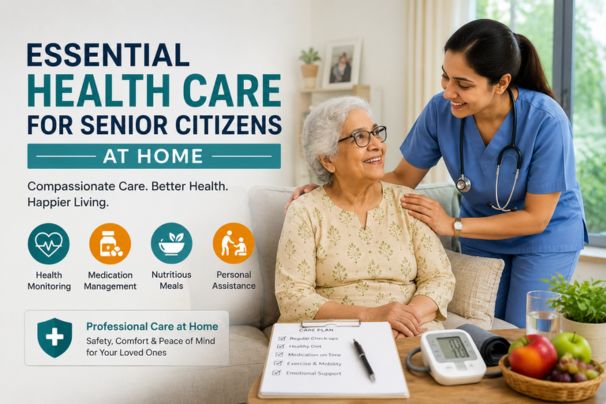

Providing proper healthcare at home is one of the most effective ways to help older adults maintain their independence, comfort, and overall well-being. Quality Health Care for Senior Citizens combines medical support, preventive care, emotional well-being, and assistance with daily activities. With the right care plan, seniors can recover faster from illnesses, manage chronic conditions more effectively, and enjoy a safer, healthier life in familiar surroundings.
As people age, healthcare needs naturally become more complex. Regular monitoring, medication management, balanced nutrition, and mobility support are no longer optional—they become essential. Home-based healthcare offers personalized attention while reducing unnecessary hospital visits, making it an ideal choice for many families caring for elderly loved ones.
What Is Health Care for Senior Citizens?
Health care for senior citizens refers to a comprehensive range of medical, physical, emotional, and personal support services designed to maintain or improve the health and quality of life of elderly individuals. These services can be provided at home, allowing seniors to receive professional care without leaving the comfort of their familiar environment.
Key Components of Senior Healthcare
- Routine health monitoring
- Medication management
- Chronic disease management
- Mobility and rehabilitation support
- Nutritional guidance
- Mental and emotional well-being
- Emergency medical assistance
A holistic approach ensures that healthcare addresses not only physical illnesses but also emotional health, social engagement, and overall quality of life.
Read More: Peace Of Mind For NRIs: How Professional Care Transforms Elderly Living
Why Home-Based Senior Healthcare Is Becoming More Popular
Many families now recognize that home is often the best place for elderly individuals to recover from illness or manage long-term health conditions. Familiar surroundings reduce stress, improve emotional well-being, and encourage greater independence.
Unlike institutional care, home healthcare provides personalized attention based on individual medical needs. Seniors are more likely to follow medication schedules, maintain healthy eating habits, and participate in rehabilitation when they feel comfortable in their own homes.
Benefits of Home Healthcare
- Greater comfort and emotional security
- Reduced exposure to hospital-acquired infections
- Personalized medical attention
- Improved recovery after hospitalization
- Better communication between caregivers and family members
- Flexible care plans tailored to changing needs
Essential Elements of Effective Senior Healthcare at Home
Providing effective care requires more than occasional medical checkups. It involves creating a structured routine that supports both physical and emotional health.
1. Regular Health Monitoring
Routine monitoring of blood pressure, blood sugar, oxygen levels, and temperature helps identify health concerns before they become serious. Early detection often prevents emergency hospital admissions.
2. Medication Management
Many seniors take multiple medications each day. Proper scheduling and supervision reduce the risk of missed doses, incorrect medication, or harmful drug interactions.
3. Balanced Nutrition
Nutritious meals support immunity, muscle strength, and overall health. Dietary plans should consider medical conditions such as diabetes, hypertension, or kidney disease.
4. Physical Activity and Rehabilitation
Simple exercises, physiotherapy, and regular movement help maintain flexibility, improve balance, and reduce the risk of falls.
5. Emotional Well-being
Loneliness can significantly impact an elderly person’s health. Meaningful conversations, social interaction, and companionship are just as important as physical care.
How to Build an Effective Home Healthcare Plan
Every senior has different healthcare needs, so a personalized care plan delivers the best results.
Step-by-Step Approach
Step 1: Assess Medical Needs
Understand existing health conditions, mobility limitations, and any special medical requirements before planning daily care.
Step 2: Create a Daily Routine
Include medication schedules, meal times, exercise sessions, hydration, and regular health monitoring to establish consistency.
Step 3: Arrange Professional Support
When medical supervision is necessary, professional caregivers or trained nurses can provide expert assistance while reducing stress for family members.
Step 4: Review Progress Regularly
Healthcare needs evolve over time. Regular assessments help ensure the care plan continues to meet changing requirements.
The Role of Professional Elder Care Services
Professional caregivers play an important role when family members cannot provide continuous support. They bring medical knowledge, experience, and structured care that helps seniors remain healthy and independent.
Families seeking reliable Elder Care Kolkata services often benefit from customized care plans that include trained nurses, caregivers, rehabilitation support, and post-hospital recovery assistance. These services provide reassurance while ensuring seniors receive consistent, high-quality care at home.
Common Mistakes Families Should Avoid
Even with the best intentions, families sometimes overlook important aspects of elderly healthcare.
Common Challenges
- Ignoring early symptoms of health changes
- Missing medication schedules
- Underestimating fall risks
- Neglecting mental health and social interaction
- Delaying professional medical assistance
- Failing to update healthcare plans as conditions change
Addressing these issues early can significantly improve long-term health outcomes and reduce medical emergencies.
FAQs
Why is home healthcare important for senior citizens?
Home healthcare allows seniors to receive personalized medical support while remaining in a familiar and comfortable environment. It also reduces unnecessary hospital visits and improves emotional well-being.
What services are included in home healthcare for seniors?
Services typically include medication management, health monitoring, nursing care, physiotherapy, mobility assistance, personal care, nutrition guidance, and post-hospital recovery support.
Who should consider professional senior healthcare at home?
Professional home healthcare is beneficial for elderly individuals recovering from surgery, managing chronic illnesses, living alone, or requiring regular medical supervision.
How can families improve elderly health at home?
Families should maintain a structured routine that includes healthy meals, regular exercise, medication management, routine health checks, emotional support, and timely medical consultations.
Can home healthcare reduce hospital readmissions?
Yes. Regular monitoring and early identification of health issues help prevent complications, reducing the likelihood of emergency hospital visits and readmissions.
Conclusion
Essential healthcare for senior citizens extends far beyond medical treatment. It is about creating a safe, supportive environment where older adults can maintain their dignity, independence, and quality of life. By combining preventive healthcare, professional support, and compassionate family involvement, seniors can enjoy healthier and more fulfilling lives while remaining comfortably at home.
Read More: How a Trained Nurse for Home Kolkata Can Improve Recovery at Home
Blog Development Credits:
This blog was thoughtfully conceptualized by Soumyajit Sardar, crafted with the help of advanced AI platforms like ChatGPT, Gemini, and Copilot. Final editing and SEO expertise were provided by DivinusCare.