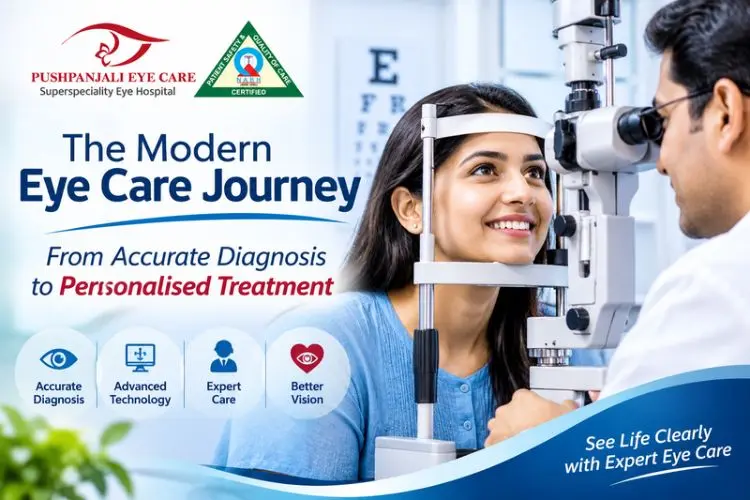

Modern eye care is not simply about identifying a vision problem and prescribing treatment. It involves understanding the patient’s eye health, lifestyle, medical history and individual needs before deciding the right approach. At Pushpanjali Eye Care, patients can explore comprehensive eye-care services through a structured approach that connects accurate diagnosis with personalised treatment at an eye hospital Kolkata.
Every person’s vision requirements are different. Someone struggling to read small print may need a different evaluation from someone experiencing sudden flashes of light or gradually losing peripheral vision. Recognising these differences is where effective eye care begins.
What Does Modern Eye Care Really Mean?
Modern eye care is a patient-focused approach that combines detailed eye examinations, appropriate diagnostic technology, clinical expertise and individualised treatment planning. Instead of following the same treatment pathway for everyone, specialists assess each patient’s condition and recommend care according to their specific requirements.
For example, two people may both complain of blurred vision, but the underlying causes could be completely different. One may have a refractive error, while the other may be developing cataracts or experiencing changes in the retina. Treating the symptom without identifying its cause can lead to incomplete care.
Step 1: Understanding the Patient Before Starting Treatment
A meaningful eye-care consultation begins with listening. An ophthalmologist needs to understand what the patient is experiencing, when the symptoms started and how they affect everyday activities.
During the initial assessment, the doctor may consider:
- Vision-related complaints: Blurred vision, headaches, eye strain, glare, floaters or difficulty seeing at night.
- Medical history: Conditions such as diabetes and hypertension can influence eye health.
- Family history: Certain eye conditions, including glaucoma, may have a hereditary component.
- Lifestyle requirements: Screen exposure, driving habits, reading needs and occupational activities.
- Previous eye treatment: Earlier surgeries, medications or existing eye conditions.
These details help the specialist decide which examinations are necessary. A patient who spends long hours working on a computer, for instance, may require an assessment for digital eye strain, while a person with diabetes may need a more detailed retinal evaluation.
Step 2: Accurate Diagnosis Makes the Difference
An accurate diagnosis is the foundation of effective eye treatment. A routine vision test is useful, but it may not reveal every condition affecting the eyes. Depending on the symptoms and clinical findings, an ophthalmologist may recommend additional diagnostic investigations.
Common Eye Examinations and Their Purpose
- Visual acuity testing: Measures how clearly a person can see at different distances.
- Refraction testing: Helps determine the appropriate spectacle prescription.
- Tonometry: Measures intraocular pressure and supports glaucoma assessment.
- Slit-lamp examination: Allows the doctor to examine the front structures of the eye, including the cornea and natural lens.
- Retinal examination: Helps identify changes affecting the retina and optic nerve.
- OCT imaging: Provides detailed cross-sectional images of retinal structures when clinically indicated.
Not every patient needs every test. The selection depends on the symptoms, examination findings and suspected condition. This targeted approach avoids unnecessary investigations while helping doctors gather the information needed for treatment decisions.
Step 3: Personalised Treatment for Different Eye Conditions
Once the diagnosis is established, the next step is to understand which treatment option is appropriate. The objective is not simply to treat a condition but to choose an approach that considers its severity, the patient’s overall health and expected visual benefits.
Cataract: Choosing the Right Time for Surgery
Cataracts develop when the natural lens becomes cloudy, gradually affecting vision. Early cataracts may be monitored, while surgery can be considered when vision problems begin interfering with daily activities. The decision depends on the patient’s visual needs and a detailed eye examination.
Glaucoma: Protecting Vision Through Regular Monitoring
Glaucoma can damage the optic nerve, often without noticeable symptoms during its early stages. Treatment may involve prescription eye drops, laser procedures or surgery, depending on the type and progression of the disease. Patients who need specialised evaluation can consult a glaucoma specialist in Kolkata for appropriate assessment and ongoing management.
Retinal Conditions: Why Timely Assessment Matters
The retina plays a crucial role in converting light into visual signals. Conditions such as diabetic retinopathy, retinal tears and age-related macular degeneration can affect central or peripheral vision. A detailed retinal examination helps identify changes that may require monitoring, medication, laser treatment or surgery. Consulting a retina specialist in Kolkata can help patients understand their condition and available treatment options.
Refractive Errors: Improving Everyday Visual Comfort
Myopia, hyperopia and astigmatism can affect vision at different distances. Depending on the patient’s prescription, corneal health and suitability, treatment options may include spectacles, contact lenses or refractive surgery such as LASIK.
Step 4: Understanding the Treatment Plan
A good treatment plan should be understandable to the patient. Before proceeding, people should know what their diagnosis means, why a particular treatment is recommended and what they can realistically expect.
Important questions to discuss with the ophthalmologist include:
- What exactly is causing the vision problem?
- Are there alternative treatment options?
- What are the possible benefits and risks?
- How much recovery time might be required?
- Will regular follow-up examinations be necessary?
These conversations encourage informed decision-making. They also help patients develop realistic expectations instead of relying on assumptions or advice from unverified online sources.
Step 5: Follow-Up Care Is Part of the Treatment
Eye care does not necessarily end when medication is prescribed or a procedure is completed. Follow-up visits allow doctors to evaluate treatment response, monitor healing and identify any changes that may require attention.
For chronic conditions such as glaucoma, regular monitoring is particularly important because treatment generally focuses on preventing further damage rather than restoring vision already lost. After cataract surgery or retinal treatment, follow-up schedules help assess recovery and overall eye health.
Why Choose a Comprehensive Approach to Eye Care?
Eye conditions can overlap, and one symptom may have several possible explanations. A comprehensive approach helps connect different aspects of eye health rather than treating every complaint in isolation.
At Pushpanjali Eye Care, Kolkata, patients can explore eye-care services covering different diagnostic and treatment needs. Access to appropriate clinical evaluation and specialist guidance can help people understand their options and make informed decisions about their vision.
Frequently Asked Questions
Q. Why is accurate diagnosis important before eye treatment?
A. Different eye conditions can produce similar symptoms. Accurate diagnosis identifies the underlying cause and helps the ophthalmologist recommend suitable treatment rather than simply addressing the symptoms.
Q. How often should adults get their eyes examined?
A. Eye examination frequency depends on age, existing conditions, family history and risk factors. People with diabetes, glaucoma risk or existing eye problems may need more frequent assessments as advised by their ophthalmologist.
Q. Can all eye problems be treated with medication?
A. No. Some conditions can be managed with medication, while others may require laser procedures, surgery, corrective lenses or regular monitoring. Treatment depends on the specific diagnosis.
Q. Why is personalised eye treatment important?
A. Patients differ in age, medical history, eye condition and visual requirements. Personalised treatment considers these differences to select an appropriate management approach.
Q. When should someone visit an eye specialist?
A. Persistent blurred vision, eye pain, frequent headaches associated with vision changes, flashes, new floaters or difficulty seeing clearly should be evaluated. Sudden vision loss, a curtain-like shadow or severe eye pain requires urgent medical attention.
Conclusion:
Good eye care is a journey that starts with understanding the patient’s concerns and continues through accurate diagnosis, informed treatment choices and consistent follow-up. Technology plays an important role, but careful clinical evaluation and individual attention remain equally essential.
Rather than waiting for vision problems to become disruptive, patients should make regular eye examinations part of their healthcare routine. The right approach is not always the most complicated treatment; it is the one that best addresses the patient’s actual eye-health needs.
Blog Development Credit
This article was researched and developed with AI-assisted content support from ChatGPT and Google Gemini, with editorial direction from Pushpanjali Eye Care to provide informative and patient-focused eye-care insights.