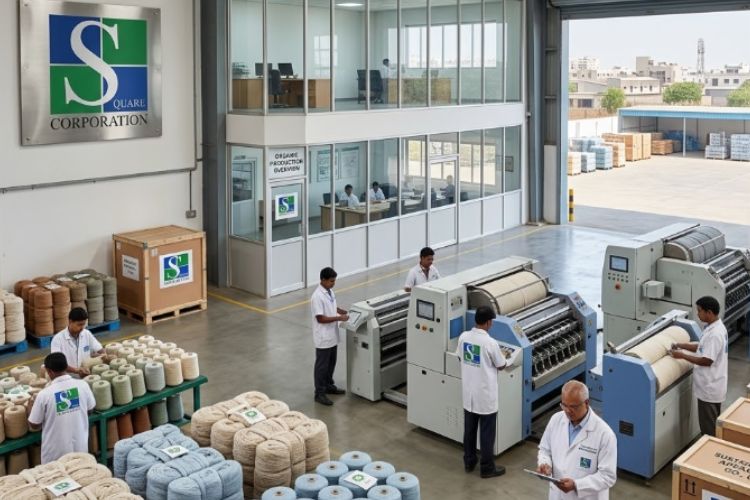

Let’s be honest—finding affordable organic yarn in India can feel a bit like searching for a needle in a haystack. With rising demand for sustainable textiles, prices fluctuate, quality varies, and not every supplier is transparent. So, how do you strike that perfect balance between cost, quality, and ethics? Let’s unpack it together.
India has long been a powerhouse in textile production, and regions known for Textile Mills in Gujarat are often the starting point for sourcing high-quality yarn. These hubs combine traditional craftsmanship with modern processing, making them ideal for businesses seeking sustainable textile sourcing solutions.
Also Read: The Role of Eco-Friendly Fabrics in Circular Textile Production
Why Organic Yarn Is Gaining Popularity
Organic yarn isn’t just a trend—it’s a response to growing environmental awareness. Consumers today are asking questions: Where does my fabric come from? Is it eco-friendly? And rightly so.
According to the Textile Exchange, global demand for organic cotton and sustainable fibers has steadily increased over the past decade, driven by conscious consumer behavior and stricter environmental standards.
Key Benefits of Organic Yarn
- Eco-friendly production: Uses fewer chemicals and less water compared to conventional yarn.
- Skin-friendly materials: Ideal for sensitive skin and baby products.
- Better long-term value: Durable and often superior in quality.
Where to Find Affordable Suppliers
Now comes the real question—where do you actually find reliable and affordable options?
1. Explore Regional Manufacturing Clusters
States like Gujarat, Tamil Nadu, and Maharashtra are known for their textile ecosystems. These clusters often offer competitive pricing due to bulk production and established supply chains.
2. Work Directly with Manufacturers
Middlemen can significantly increase costs. Partnering directly with an Organic yarn supplier allows better price negotiation, transparency, and customization.
3. Attend Trade Shows and Expos
Events like textile expos provide a chance to meet suppliers face-to-face, compare quality, and negotiate deals. It’s a bit old-school, sure—but surprisingly effective.
What to Look for in a Supplier
Not all suppliers are created equal. Some offer low prices but compromise on quality or certification. Others might have excellent products but lack scalability.
Checklist for Choosing the Right Supplier
- Certifications: Look for GOTS (Global Organic Textile Standard) or similar credentials.
- Transparency: Clear information about sourcing and production processes.
- Minimum order quantity (MOQ): Ensure it aligns with your business needs.
- Sample availability: Always test before committing.
Interestingly, research from the Fibre2Fashion platform suggests that buyers who request samples and verify certifications are 40% more likely to establish long-term supplier relationships.
Balancing Cost and Sustainability
Here’s the tricky part—organic usually means expensive, right? Not necessarily. The key lies in understanding cost structures and making informed decisions.
Practical Cost-Saving Tips
- Bulk purchasing: Larger orders often come with discounts.
- Long-term contracts: Lock in better rates over time.
- Blend options: Consider blends of organic and recycled fibers for affordability.
Also, collaborating with trusted fabric suppliers in india can help you streamline sourcing across multiple materials, saving both time and logistics costs.
Emerging Trends in Sustainable Yarn
The industry is evolving, and quickly. Recycled fibers, plant-based dyes, and circular production models are becoming more common. If you’re in this space, staying updated isn’t optional—it’s essential.
For instance, innovations in recycled polyester and bamboo yarn are offering cost-effective alternatives without compromising sustainability. These options are particularly attractive for startups and small-scale manufacturers.
Frequently Asked Questions
1. Is organic yarn always more expensive?
Not always. While initial costs may be higher, bulk buying and direct sourcing can make organic yarn quite affordable in the long run.
2. How can I verify if yarn is truly organic?
Check for certifications like GOTS and ask suppliers for documentation. Transparency is a key indicator of authenticity.
3. Which states in India are best for sourcing yarn?
Gujarat, Tamil Nadu, and Maharashtra are प्रमुख textile hubs with a wide range of suppliers and competitive pricing.
4. Can small businesses afford organic yarn?
Yes, by starting with smaller quantities, exploring blends, and building long-term supplier relationships, even small businesses can manage costs effectively.
Also Read: Best Recycled Polyester Textile Companies in India
Final Thoughts
Finding affordable organic yarn in India isn’t about luck—it’s about strategy. With the right research, supplier partnerships, and a bit of patience, you can build a sourcing system that’s both cost-effective and sustainable. And honestly, in today’s market, that’s not just smart—it’s essential.
Blog Development Credits
This blog was thoughtfully developed in partnership with Square Corporation, combining insights from modern AI tools and refined with expert-led SEO enhancements.