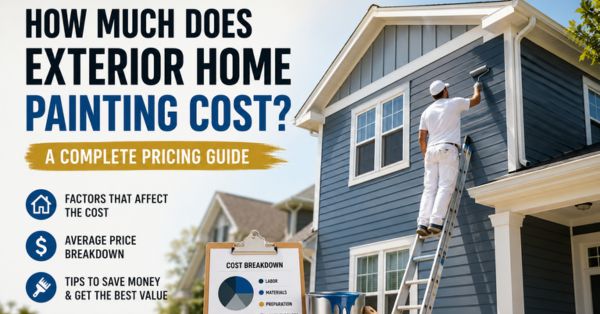

The cost of painting a home’s exterior depends on several factors, including the property’s size, surface condition, paint quality, labor requirements, and architectural complexity. While no two projects cost exactly the same, understanding these pricing factors helps homeowners budget more accurately and avoid unexpected expenses. Knowing where your money goes also makes it easier to compare quotes and choose the right contractor.
Before requesting estimates, it’s helpful to understand what contributes to the final bill. A professional assessment of your Exterior Home Painting Cost includes far more than simply calculating gallons of paint. Preparation work, repairs, accessibility, and material selection all influence the overall investment and the long-term quality of the finish.
What Is Exterior Home Painting Cost?
Exterior home painting cost refers to the total expense required to prepare, paint, and finish the outside surfaces of a residential property. It includes labor, paint, primers, equipment, surface preparation, repairs, cleanup, and project management.
Many homeowners focus only on paint prices, but in reality, professional preparation often accounts for a significant portion of the budget because it directly affects how long the new paint will last.
Which Factors Have the Biggest Impact on Pricing?
Several variables determine the overall cost of an exterior painting project.
- Home size: Larger homes naturally require more paint and labor.
- Number of stories: Multi-story homes require additional equipment and safety measures.
- Surface material: Stucco, brick, timber, fiber cement, and siding each require different preparation techniques.
- Existing paint condition: Peeling or damaged paint increases preparation time.
- Accessibility: Difficult rooflines, steep slopes, or landscaping obstacles increase labor costs.
- Paint quality: Premium paints generally cost more but provide longer-lasting protection.
Rather than looking for the cheapest quote, homeowners should compare what each estimate actually includes. A lower upfront price may exclude preparation work or premium materials that significantly improve durability.
Also Read: How to Keep Your Outdoor Walls Dry and Free from Moisture Damage
Why Surface Preparation Matters
One of the most overlooked pricing factors is preparation. Professional painters know that a beautiful finish starts long before the first coat of paint is applied.
Preparation may include:
- Pressure washing exterior walls
- Scraping loose or peeling paint
- Sanding rough surfaces
- Caulking gaps around windows and doors
- Replacing damaged timber
- Applying quality primer where needed
Skipping these steps may reduce the initial quote, but it often leads to premature paint failure, requiring another repaint much sooner than expected.
How to Estimate Your Painting Budget
Step 1: Assess Your Home’s Condition
Walk around your property and identify peeling paint, cracks, wood rot, mildew, or damaged trim. Homes requiring repairs generally cost more than well-maintained properties.
Step 2: Measure Paintable Areas
Professional contractors calculate paintable square footage rather than simply using floor size. Garages, trim, shutters, soffits, and fascia boards also contribute to the total.
Step 3: Choose Paint Quality
Higher-quality exterior paints typically offer better UV resistance, weather protection, and color retention. Although they cost more initially, they often extend repainting intervals.
Step 4: Compare Detailed Quotes
Request itemized estimates from multiple contractors. This allows you to compare labor, preparation work, materials, warranties, and project timelines instead of focusing only on price.
Should You Hire Professionals?
Many homeowners consider DIY painting to reduce costs, but exterior painting involves more than applying paint evenly. Safety, surface preparation, weather timing, and product selection all influence the final result.
Searching for reliable Painting Services Near Me allows homeowners to receive accurate inspections, professional recommendations, and workmanship warranties that provide long-term value beyond the initial investment.
Hidden Costs Many Homeowners Overlook
Not every expense appears on the first estimate. Common additional costs may include:
- Wood replacement due to rot
- Extensive mildew treatment
- Lead paint removal for older homes
- Additional primer for porous surfaces
- Color changes requiring extra coats
- Repairs discovered after preparation begins
Discussing these possibilities before work begins helps avoid misunderstandings during the project.
How Can You Reduce Exterior Painting Costs?
Saving money doesn’t always mean choosing the lowest bid. Instead, focus on maximizing long-term value.
- Schedule painting during regular business seasons rather than emergency projects.
- Maintain your exterior to reduce future preparation costs.
- Choose durable paint with longer warranties.
- Bundle exterior painting with other maintenance work.
- Request detailed written estimates before signing a contract.
Well-maintained homes generally require less preparation during future repainting projects, making ongoing maintenance one of the smartest long-term investments.
Frequently Asked Questions
How often should a home’s exterior be repainted?
Most homes require repainting every 7 to 10 years, although climate, paint quality, and exterior materials can shorten or extend that timeline.
Does premium paint justify the higher price?
Yes. Premium paints generally provide better durability, fade resistance, and weather protection, often reducing maintenance costs over time.
Can weather affect exterior painting costs?
Absolutely. Rain, humidity, and extreme temperatures may delay projects, increase labor time, or require additional preparation.
Should I repair damaged siding before painting?
Yes. Painting over damaged siding only hides the problem temporarily. Repairs should always be completed before applying new paint.
How many quotes should I get?
Obtaining at least three detailed quotes provides a better understanding of market pricing, included services, and contractor experience.
Conclusion
Exterior painting is more than a cosmetic upgrade—it’s an investment in your home’s protection, appearance, and long-term value. Understanding what influences pricing allows you to plan realistically, compare contractors confidently, and choose solutions that balance quality with affordability. A carefully executed exterior paint job can enhance curb appeal while protecting your property from years of weather exposure.
Also Read: Exterior Painting Companies Near You: What to Look For Before Hiring
Blog Development Credits:
This blog was thoughtfully conceptualized by Soumyajit Sardar, crafted with the help of advanced AI platforms like ChatGPT, Gemini, and Copilot. Final editing and SEO expertise were provided by Mister Paint.