
Have you ever walked into a home and felt instantly calm, even if you couldn’t quite explain why? More often than not, it comes down to color choices. The right House Paint can quietly shape mood, space, and even how big a room feels—without anyone consciously noticing.
Some colors fade with trends, but a few always stay relevant, no matter how interior design styles evolve. Let’s explore those timeless shades that continue to define beautiful homes across generations.
Why Some Paint Colors Stay Forever Stylish
Design trends change like seasons—what’s popular today might feel outdated in a few years. Yet certain colors remain steady. Why? Because they’re rooted in nature, balance, and human psychology.
According to design insights from Architectural Digest, neutral tones and earth-inspired palettes consistently rank among the most preferred choices for long-term home styling. They offer flexibility, warmth, and a sense of familiarity that never really goes out of style.
What Makes a Color “Timeless”?
- Neutral foundation: Easily pairs with furniture and décor changes.
- Natural inspiration: Colors drawn from earth, sky, and stone feel lasting.
- Emotional balance: Shades that don’t overwhelm the senses.
Also Read: Why Paint Bubbles Occur: A Comprehensive Guide for Homeowners
Classic House Paint Colors That Always Work
Let’s dive into the shades that have quietly stood the test of time. Whether you’re repainting a single room or planning a full home makeover, these colors rarely disappoint.
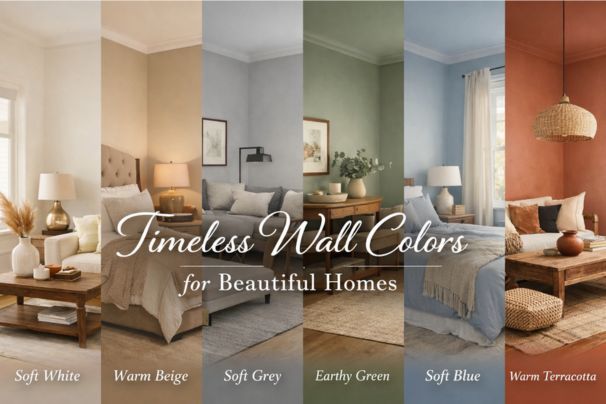
1. Soft White – The Forever Favorite
White isn’t just white. Soft white tones bring brightness without harshness. They open up spaces and work beautifully in both modern and traditional homes. It’s often the first choice when people consult professional Interior House Painters for a clean, elegant look.
- Ideal for small rooms to create a spacious feel
- Pairs well with wood, metal, and bold accent colors
- Works across all lighting conditions
2. Warm Beige – Subtle but Sophisticated
Beige often gets underestimated, but it’s one of the most reliable choices for long-term appeal. It adds warmth without overpowering the room, making it perfect for living spaces and bedrooms.
3. Soft Grey – Modern Yet Stable
Grey became a design star in recent years, but its softer shades are proving to be more than a trend. Light grey offers a calm, urban feel that works beautifully in minimalist interiors.
Nature-Inspired Shades That Never Fail
If there’s one thing designers agree on, it’s this—nature-inspired colors always age well. They feel grounded, calming, and effortlessly stylish.
Earthy Greens
Muted olive and sage greens bring a sense of balance. They remind us of outdoor spaces and create a soothing indoor atmosphere.
Soft Blues
Blue, especially dusty or sky-toned versions, evokes calmness. It’s no surprise that studies referenced by Color Psychology Organization suggest blue tones help reduce stress and improve focus in interior environments.
Warm Terracotta
Terracotta adds personality without being loud. It carries a rustic charm that blends beautifully with both modern and traditional décor styles.
How to Choose the Right Timeless Color
Selecting the right shade is less about trends and more about lifestyle. Think of your home as a reflection of how you want to feel every day.
Simple Expert Tips
- Test before committing: Always try sample patches under natural light.
- Think long-term: Avoid overly trendy shades for large wall areas.
- Balance bold accents: Keep walls neutral if furniture is vibrant.
A good rule of thumb: if you’re unsure, lean toward softer tones. They rarely disappoint and give you flexibility to update décor without repainting everything.
Color Psychology in Home Design
Colors don’t just decorate walls—they influence how we feel. A calming bedroom might benefit from soft blue, while a warm beige living room encourages conversation and comfort.
Interestingly, research from National Institutes of Health (NIH) highlights how environmental colors can subtly affect mood, stress levels, and even productivity. It’s a reminder that paint is more powerful than it seems.
FAQs
What is the most timeless house paint color?
Soft white is often considered the most timeless choice because it works in almost every interior style and lighting condition.
Are neutral colors better for long-term home design?
Yes, neutral shades like beige, grey, and white remain popular because they adapt easily to changing décor trends.
Can bold colors also be timeless?
Some muted bold tones like terracotta or olive green can stay relevant when used thoughtfully in accent areas.
How often should I repaint my home?
Most interiors benefit from repainting every 5–7 years, depending on wear, exposure, and lifestyle factors.
Final Thoughts
Timeless paint colors aren’t about playing it safe—they’re about creating spaces that feel comfortable and enduring. Whether you lean toward soft neutrals or nature-inspired tones, the goal is the same: a home that feels right today, tomorrow, and years from now.
Also Read: How to Choose a Painter You Can Trust
Blog Development Credits:
This blog was thoughtfully conceptualized by Soumyajit Sardar, crafted with the help of advanced AI platforms like ChatGPT, Gemini, and Copilot. Final editing and SEO expertise were provided by Mister Paint.