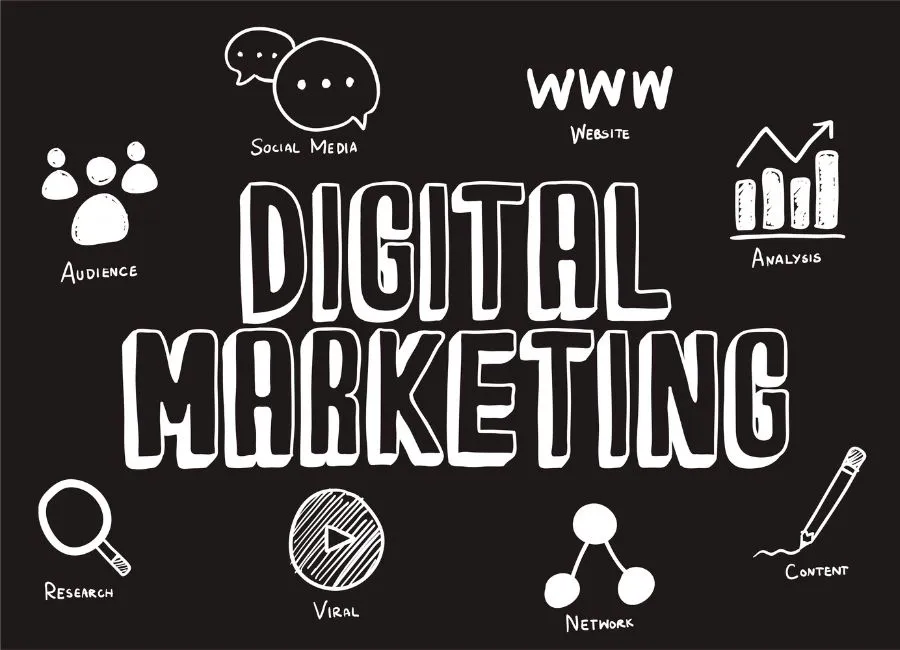

Digital marketing is quietly undergoing one of its biggest transformations in years. Businesses once celebrated every click, every impression, and every visitor that landed on their website. Today, artificial intelligence is shifting the focus toward something much deeper: context. In this new era, understanding why someone needs information matters more than simply getting them to click a link.
Businesses collaborating with a Performance Marketing Agency In Vadodara are already adapting to this reality. Instead of chasing traffic numbers alone, they are creating personalized, AI-driven experiences that meet customers exactly where they are in their decision-making journey.
The Era of Click-Based Marketing Is Changing
For nearly two decades, digital marketing success was measured using simple metrics. More clicks often meant better campaigns. Brands invested heavily in advertisements, SEO, and social media to attract visitors.
However, user behavior has evolved dramatically. People no longer want to open ten different tabs to find an answer. AI tools are now summarizing information instantly and delivering recommendations within seconds.
According to Google’s AI announcements, search experiences are becoming more conversational and intuitive, helping users obtain answers faster than ever before.
As a result, marketers are learning an important lesson: visibility without relevance has very little value.
What Does Context Mean in AI Marketing?
Context is the ability to understand user intent beyond a simple search query.
Imagine someone searching for “running shoes.” Traditional marketing would display advertisements immediately. AI marketing, however, asks deeper questions.
Is the person training for a marathon? Are they a beginner? Do they prefer sustainability? Are they comparing prices?
Those details transform generic marketing into meaningful customer experiences.
Core Elements of Context-Based Marketing
- User intent recognition: Understanding what customers truly need.
- Behavioral analytics: Learning from previous interactions.
- Real-time personalization: Adapting content instantly.
- Predictive customer engagement: Anticipating future actions.
- Conversational AI: Creating natural customer interactions.
The goal isn’t to sell immediately. It’s to build trust before customers even realize they’re ready to buy.
AI Is Making Marketing More Human
There’s a fascinating irony here. People often assume AI will make marketing robotic. In reality, AI is making it more human.
Instead of blasting generic messages to everyone, AI helps businesses understand emotions, preferences, and behavior patterns.
Consider how streaming platforms recommend content. They don’t simply promote popular shows. They suggest programs based on your habits and interests.
Marketing is heading in the same direction.
Three Strategies Winning in the AI Era
- Answer-first content: Create information that genuinely solves problems.
- Intent-based personalization: Focus on customer goals rather than demographics.
- AI-powered customer journeys: Guide users naturally through decisions.
These approaches are proving far more effective than traditional interruption-based advertising.
Data Is Important, But Understanding Is Powerful
Businesses have access to enormous amounts of customer data. Yet many organizations still struggle to convert information into actionable insights.
Artificial intelligence bridges that gap.
Instead of asking, “How many people clicked our campaign?” marketers are now asking more meaningful questions:
- Why did customers engage?
- What challenges are they trying to solve?
- What information do they need next?
- How can we make their journey easier?
These answers create stronger relationships and better long-term outcomes.
The New Role of Digital Marketing Teams
Modern marketing teams are becoming experience architects rather than campaign managers.
Businesses partnering with a trusted Digital Marketing Service Provider In India are integrating AI-powered marketing, customer intent mapping, and conversational search optimization into their growth strategies.
Additional emerging keywords such as AI-driven personalization, predictive analytics, and contextual customer journeys are rapidly becoming essential pillars of digital success.
According to Pew Research Center, AI adoption among both businesses and consumers continues to rise steadily, indicating that these changes are not temporary trends but long-term shifts.
The companies that thrive tomorrow will not necessarily be the loudest advertisers. They’ll be the brands that understand people best.
Frequently Asked Questions
What is context-driven AI marketing?
It is a strategy that uses AI to understand customer intent, preferences, and behavior to deliver highly relevant experiences.
Why are clicks becoming less important?
AI platforms increasingly provide direct answers, reducing users’ need to visit multiple websites.
How can businesses prepare for AI marketing?
Businesses should focus on personalization, predictive analytics, conversational experiences, and intent-based content creation.
Will AI replace digital marketing professionals?
No. AI will support marketers by improving efficiency, insights, and customer understanding rather than replacing human creativity.
Final Thoughts
The future of marketing is no longer about attracting the highest number of clicks. It’s about creating meaningful experiences that fit seamlessly into people’s lives. As AI becomes more intelligent, businesses that prioritize context over volume will build deeper trust, stronger loyalty, and sustainable growth for years to come.
Blog Development Credits:
This article was developed under the strategic vision of Amlan Maiti, researched with support from ChatGPT, Google Gemini, and Copilot, and refined through advanced optimization techniques by Digital Piloto Private Limited.