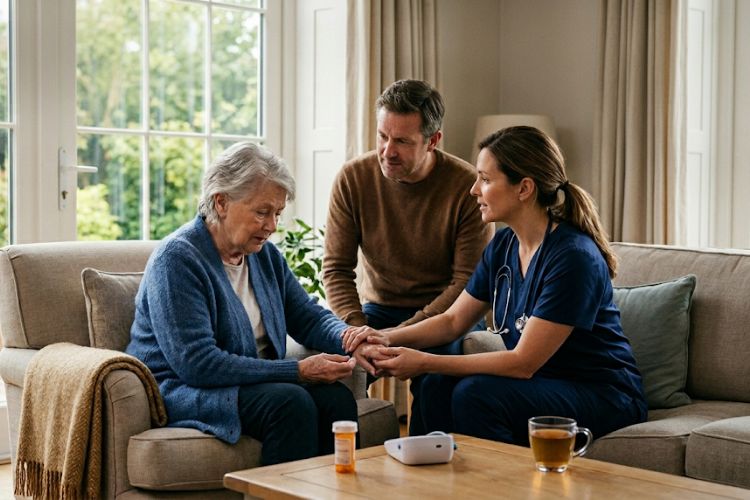

DivinusCare understands that emergencies rarely arrive with warning—they unfold quietly, then all at once. For business owners balancing work and family, recognizing the right moment to act can feel overwhelming. Should you rush to a hospital, or bring care home? The answer often lies in timing, awareness, and knowing when immediate support truly matters.
In many cases, opting for Emergency Home Health Care can be the most practical and life-saving decision. It bridges the gap between hospital-level attention and the comfort of home—especially when every minute counts.
Understanding Emergency Home-Based Care
Emergency home healthcare isn’t just about convenience—it’s about responsiveness. Whether it’s sudden illness, post-surgical complications, or chronic condition flare-ups, immediate medical intervention at home can stabilize patients before situations escalate.
According to the World Health Organization, the global population aged 60 years and older is expected to double by 2050, increasing the demand for accessible, home-based medical care. This shift makes timely decisions even more critical for families and caregivers.
When Should You Consider Emergency Home Health Care?
Sudden Health Deterioration
If a loved one experiences rapid changes—such as breathlessness, confusion, or sharp pain—it’s a clear signal. Immediate attention at home can prevent complications while avoiding the stress of hospital transfers.
Post-Hospital Discharge Risks
Many patients are vulnerable after discharge. In fact, studies from CMS.gov suggest that nearly 20% of patients face readmission within 30 days. Emergency home care reduces this risk by ensuring continuous monitoring.
Mobility Limitations
- Bedridden patients needing urgent medical attention
- Elderly individuals with fall risks
- Patients recovering from surgeries or injuries
Transporting such individuals can worsen their condition. Home care becomes not just convenient, but necessary.
Chronic Illness Flare-Ups
Conditions like diabetes, heart disease, or respiratory disorders can escalate quickly. Having access to urgent care at home ensures timely intervention without disrupting ongoing treatment plans.
Why Businesses and Families Prefer Home-Based Emergency Care
For B2B and B2C business owners, time is a scarce resource. Managing personal emergencies while running operations requires smart solutions. That’s where home healthcare steps in.
- Reduced Downtime: No long hospital queues or travel delays
- Personalized Attention: One-on-one care tailored to patient needs
- Cost Efficiency: Often more affordable than prolonged hospital stays
Midway through care planning, many families also explore Elderly Support Services Kolkata to ensure long-term assistance beyond emergencies. This integrated approach helps maintain both health stability and peace of mind.
Key Indicators You Shouldn’t Ignore
Sometimes, the signs are subtle. Other times, they’re glaring. Either way, recognizing them early can make all the difference.
- Unusual fatigue or sudden weakness
- Difficulty breathing or chest discomfort
- High fever that doesn’t subside
- Disorientation or sudden behavioral changes
These are not situations to “wait and watch.” Immediate action—preferably at home when possible—can prevent escalation.
How to Choose the Right Emergency Home Care Provider
Look Beyond Availability
Speed matters, but so does expertise. Ensure the provider offers trained professionals, modern equipment, and 24/7 response capabilities.
Evaluate Service Scope
- Critical care support at home
- Trained nursing staff availability
- Emergency medical equipment readiness
Check Credibility
Always review certifications, patient testimonials, and service track records. Reliable providers often align with healthcare standards and protocols.
Frequently Asked Questions
1. What conditions require emergency home health care?
Conditions like respiratory distress, post-surgical complications, severe infections, and sudden chronic illness flare-ups often require immediate home-based care.
2. Is emergency home care as effective as hospital care?
In many cases, yes. With trained professionals and proper equipment, home care can stabilize patients and even prevent hospital admissions.
3. How fast can emergency home healthcare services respond?
Most reliable providers offer rapid response times, often within hours, depending on location and service availability.
4. Is home healthcare suitable for elderly patients?
Absolutely. Elderly individuals benefit greatly from receiving care in familiar surroundings, reducing stress and improving recovery outcomes.
Read More: 24/7 Emergency Home Health Care for Senior Patients at Home
Final Thoughts
Choosing the right moment to act is often the hardest part. Emergency home health care isn’t just a service—it’s a strategic decision that balances urgency, comfort, and efficiency. For modern families and busy professionals alike, it offers a practical way to ensure loved ones receive timely, high-quality care without unnecessary disruption.